Malachai: Integrating a Modern Vintage Display Font into Professional Design Workflows
In the landscape of contemporary graphic design, the tension between historical reverence and modern clarity is a constant creative challenge. Designers, brand strategists, and content creators often seek typefaces that bridge this gap, offering the warmth of traditional craftsmanship alongside the precision required for digital and print media. Malachai emerges as a significant tool in this context. As a modern vintage display font, it provides a distinct aesthetic character while maintaining the technical robustness necessary for professional implementation. Understanding how to integrate Malachai into your existing design processes can elevate the quality of editorial projects, branding initiatives, and product packaging.
Defining the Aesthetic and Technical Scope
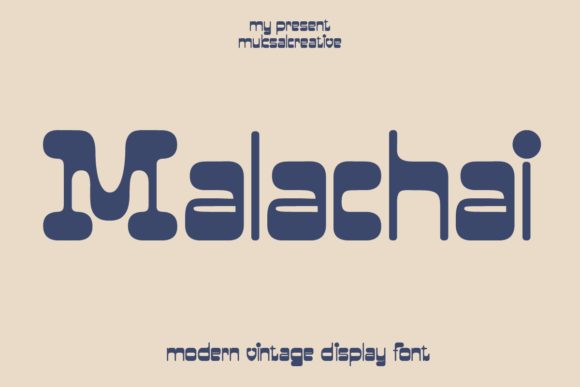
Before implementing any typeface, it is crucial to understand its core characteristics. Malachai is not merely a decorative element; it is a versatile system designed to function across various scales. Its "modern vintage" classification indicates a design philosophy that draws from historical serif structures but refines them for current viewing habits. This duality allows the font to feel established and trustworthy without appearing dated or illegible.
The technical foundation of Malachai includes extensive multilingual support and a rich set of special glyphs and ornaments. For professionals working on global campaigns or diverse editorial layouts, this breadth is essential. It eliminates the need to switch typefaces when handling different languages or when requiring specific decorative elements. By consolidating these features into a single family, Malachai streamlines the asset management process, reducing the cognitive load during the design phase.
Strategic Placement in the Branding Process
Branding is rarely a linear task, but typography selection usually occurs during the foundational identity phase. When developing a brand identity, the choice of a primary display font sets the tone for all subsequent visual communication. Malachai fits effectively into this early stage due to its adaptability. It works equally well for logo design and broader brand applications.
Consider the workflow of a small business owner or entrepreneur launching a new product line. The initial step involves defining the brand personality. If the goal is to convey artisanal quality, heritage, or sophisticated elegance, Malachai’s vintage roots provide an immediate visual cue. However, because it is a modern interpretation, it avoids the clichés often associated with purely retro fonts. This balance ensures the brand feels relevant to contemporary audiences aged 20–50, who value authenticity but expect modern usability.
During the logo design phase, designers can leverage the special glyphs and ornaments inherent to Malachai. These elements allow for the creation of unique monograms or logotypes without relying on external vector illustrations. This integration speeds up the iteration process. Instead of sourcing separate decorative assets, the designer manipulates the font’s built-in characters to achieve a bespoke look. This efficiency is particularly valuable for freelancers and agencies managing tight deadlines.
Implementation in Editorial and Publishing Workflows
Editorial design demands a high degree of typographic hierarchy and readability. Magazines, journals, and digital publications require headers that capture attention while maintaining harmony with body text. Malachai excels in this role as a header font. Its strong presence in large sizes makes it ideal for magazine headers, chapter titles, and pull quotes.
When integrating Malachai into an editorial layout, consider the following practical steps:
- Hierarchy Establishment: Use Malachai for H1 and H2 headings to create clear visual anchors. Pair it with a neutral, highly legible sans-serif or serif body font to ensure readability over long passages.
- Ornament Utilization: Employ the font’s special ornaments as section breaks or decorative dividers. This adds a layer of sophistication without cluttering the page.
- Scale Testing: Although optimized for display, Malachai remains effective at smaller sizes when used sparingly, such as in captions or subheads. Test various weights and sizes to determine the optimal balance for your specific publication format.
For publishers and bloggers, consistency is key. By establishing a style guide that dictates exactly how Malachai is used—specifically regarding kerning, leading, and color application—you ensure a cohesive visual identity across all issues or posts. This preparation prevents ad-hoc decisions that can dilute brand recognition over time.
Enhancing Product Packaging and Marketing Assets
Product packaging is a critical touchpoint where typography influences purchasing decisions. In retail environments, shelf impact is determined within seconds. Malachai’s distinctive character helps products stand out by conveying a sense of premium quality. Whether applied to cosmetic labels, food packaging, or luxury goods, the font’s vintage charm suggests craftsmanship and attention to detail.
Marketers and product designers should consider the physical constraints of packaging during the design process. Malachai’s versatility allows it to adapt to various surfaces and materials. For instance, when designing for curved bottles or irregular boxes, the font’s clear structure ensures legibility even when distorted slightly by the container’s shape. Additionally, the multilingual support is invaluable for products intended for international markets, allowing for consistent branding across different regions without compromising aesthetic integrity.
Beyond physical packaging, Malachai serves as an effective tool for digital marketing assets. Social media graphics, email headers, and web banners benefit from stylish text overlays. When placing text over background images, the contrast and weight of Malachai help maintain readability. Designers can use the font’s ornaments to frame key messages or highlight promotional offers, creating visually engaging content that drives user interaction.
Technical Compatibility and Workflow Integration
Successful implementation of any typeface depends on its compatibility with existing software and workflows. Malachai is designed to work seamlessly with standard design platforms such as Adobe Creative Cloud (Illustrator, Photoshop, InDesign), Sketch, Figma, and other major graphic design tools. This broad compatibility ensures that files can be shared among team members, clients, and printers without font substitution errors.
To maximize efficiency, organize your font files systematically. Create a dedicated folder for the Malachai family, including all weights, styles, and alternate glyphs. Familiarize yourself with the OpenType features available in your design software. Many users overlook the potential of ligatures, stylistic sets, and contextual alternates. Activating these features can significantly enhance the typographic quality of your work, adding subtle refinements that distinguish professional designs from amateur attempts.
Quality control is another vital aspect of the workflow. Before finalizing any project, review the typography at actual size. Check for awkward spacing, inconsistent alignment, or illegible character combinations. Malachai’s design minimizes these issues, but human oversight remains essential. Ensure that the font renders correctly across different devices and browsers if used in web design. Web font formats (WOFF/WOFF2) should be optimized for fast loading times to maintain site performance.
Long-Term Value and Versatility
Investing in a versatile typeface like Malachai offers long-term benefits for creators and businesses. Unlike trend-driven fonts that may quickly become obsolete, modern vintage designs possess a timeless quality. This longevity reduces the need for frequent rebranding or redesigns, saving time and resources in the long run. Furthermore, the font’s adaptability means it can evolve with your brand. As your business expands into new markets or product lines, Malachai can accommodate these changes without losing its core identity.
For educators and students, Malachai serves as an excellent case study in typographic balance. Analyzing how its vintage elements are modernized provides insights into contemporary design principles. Incorporating such fonts into academic projects or portfolio pieces demonstrates an understanding of both historical context and current industry standards.
In conclusion, Malachai is more than a decorative typeface; it is a functional tool that enhances various stages of the creative process. From initial branding concepts to final production outputs, its versatility, technical robustness, and aesthetic appeal support efficient and high-quality design workflows. By understanding its capabilities and integrating it thoughtfully into your projects, you can achieve consistent, professional results that resonate with your target audience. Whether you are designing a logo, laying out a magazine, or packaging a product, Malachai provides the structural and stylistic foundation needed to communicate your message effectively.