Makai: Elevating Design with a Modern, Whimsical Display Font
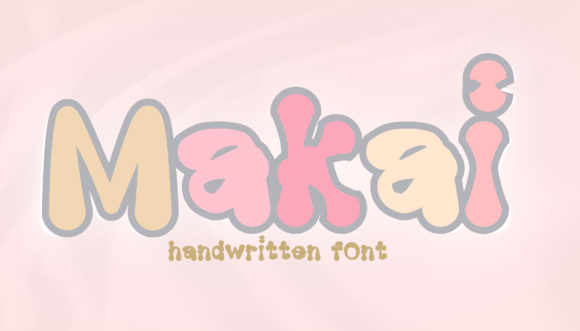
In the saturated landscape of digital design, finding a typeface that strikes the perfect balance between professionalism and personality is often the most challenging aspect of a creative project. Designers, marketers, and brand strategists are constantly searching for tools that do more than just convey information; they seek fonts that evoke emotion, establish tone, and create an immediate visual connection with the audience. This is where Makai emerges as a transformative solution. As an incredibly cool and unique display font, Makai offers a modern yet whimsical style that has the power to immerse your designs into a magical world. It is not merely a collection of letters but a design asset capable of defining the aesthetic identity of a project.
Understanding the Essence of Makai
To leverage Makai effectively, one must first understand its core character. Unlike standard sans-serif or serif fonts designed for long-form readability, Makai is a display font. This means it is engineered to be used at larger sizes, such as in headlines, logos, posters, and short bursts of text where impact is paramount. The term "whimsical" often conjures images of childish or unstructured designs, but Makai redefines this concept. It brings a sense of playfulness without sacrificing modern structural integrity. The curves are deliberate, the weights are balanced, and the overall geometry feels contemporary.
The "magical" quality attributed to Makai stems from its ability to break the monotony of corporate minimalism. In an era where many brands adopt safe, neutral typography to appear professional, Makai offers a daring alternative. It suggests creativity, approachability, and innovation. For businesses and creators looking to stand out, this font serves as a visual hook, drawing the viewer in before they even read the full message. It bridges the gap between serious design principles and imaginative expression, making it a versatile tool for a wide array of applications.
Solving the Problem of Generic Branding
One of the most common challenges faced by modern designers is the "sea of sameness." When every competitor uses similar geometric sans-serifs, brands struggle to differentiate themselves visually. This lack of distinction can lead to lower brand recall and weaker emotional engagement. Makai addresses this pain point by providing a distinct voice. Its unique letterforms ensure that any text set in this font immediately captures attention.
Consider the goal of launching a new product or rebranding an existing service. The objective is often to communicate freshness and excitement. Traditional fonts may feel too rigid or cold for such initiatives. By integrating Makai into the visual hierarchy, designers can inject warmth and curiosity into their layouts. This is particularly useful for industries that rely heavily on consumer engagement, such as lifestyle products, entertainment, education, and hospitality. The font acts as a catalyst for interest, encouraging users to spend more time interacting with the content.
Practical Applications and Strategic Implementation
Knowing when and how to use Makai is crucial for maximizing its impact. Because it is a display font, it should not be used for body copy or small-sized text where legibility is the primary concern. Instead, focus on high-visibility elements. Here are several practical scenarios where Makai excels:
- Logo Design and Brand Identity: For startups and creative agencies, a logo sets the first impression. Makai’s whimsical nature makes it ideal for brands that want to appear friendly and innovative. It works exceptionally well for companies in the tech, gaming, or creative sectors where breaking norms is valued.
- Packaging and Product Labels: In retail environments, shelf appeal is critical. Using Makai on product packaging can make an item pop against competitors. Whether it is for artisanal foods, beauty products, or children’s toys, the font adds a premium yet playful touch that suggests quality and care.
- Digital Headers and Hero Sections: On websites and landing pages, the hero section is the prime real estate for capturing user attention. Placing a compelling headline in Makai can significantly increase click-through rates. Its modern style ensures it looks crisp on high-resolution screens, while its unique shapes prevent banner blindness.
- Event Posters and Promotional Materials: For festivals, workshops, or social gatherings, the typography needs to convey energy. Makai’s immersive quality helps create a thematic atmosphere. Pairing it with vibrant colors and dynamic imagery can result in promotional materials that feel like an invitation to an experience rather than just an advertisement.
Tailoring the Approach for Different Users
Different professionals will approach the integration of Makai in varied ways, depending on their specific goals and constraints. Understanding these perspectives can help teams collaborate more effectively.
Graphic Designers will likely focus on the typographic pairing. Since Makai is bold and distinctive, it pairs best with clean, neutral sans-serif fonts for body text. This contrast ensures that the whimsical nature of Makai remains the focal point without overwhelming the reader. Designers should experiment with kerning and leading to optimize the font’s shape for specific layouts, ensuring that the "magic" is preserved across different mediums.
Marketing Managers will view Makai through the lens of conversion and brand sentiment. They are interested in how the font influences user behavior. A/B testing headlines set in Makai versus traditional fonts can provide data-driven insights into audience preference. For marketers, the font is a tool to humanize the brand, making complex or dry topics feel more accessible and engaging.
Web Developers need to consider technical implementation. Ensuring that the font loads quickly and renders correctly across various browsers and devices is essential. Since display fonts can sometimes have larger file sizes, optimizing web font files is a key step. Developers should also ensure that fallback fonts are chosen carefully to maintain the general aesthetic if Makai fails to load, although this is rare with modern web standards.
Maximizing Impact with Color and Composition
To fully immerse designs in the magical world that Makai suggests, context is everything. The font does not exist in a vacuum; it interacts with color, space, and imagery. For a truly cohesive look, consider using pastel or vibrant color palettes that complement the font’s playful energy. Soft gradients or bold, flat colors can enhance the modern feel of the typeface.
Whitespace is another critical component. Because Makai has unique shapes, it requires breathing room. Crowding the text with other elements can diminish its impact. Allow the letters to stand out by keeping the surrounding layout clean and uncluttered. This minimalist approach highlights the intricacies of the font and reinforces the modern aspect of its design.
Furthermore, animation can bring Makai to life in digital environments. Subtle motion graphics, such as letters fading in or bouncing slightly, can amplify the whimsical nature of the font. This is particularly effective in interactive media, where user engagement is driven by dynamic visuals. However, restraint is key; the animation should support the readability and tone, not distract from it.
Conclusion: Embracing the Magic of Modern Typography
In conclusion, Makai is more than just a font; it is a strategic design resource that addresses the need for differentiation and emotional connection in modern visual communication. By offering a blend of modern structure and whimsical charm, it provides a solution for brands and creators looking to escape the mundane. Whether used in logo design, digital headers, or packaging, Makai has the potential to transform ordinary layouts into immersive experiences.
For those seeking to elevate their design projects, adopting Makai involves understanding its strengths as a display typeface and applying it with intention. By pairing it with complementary elements, respecting whitespace, and considering the specific needs of the target audience, users can unlock the full potential of this unique tool. In a world where attention is scarce, giving your designs a magical edge with Makai is a powerful way to ensure your message is not only seen but felt.